How to Prevent Costly Errors When Setting up a Home Charging Unit
Many problems with EV charger installation happen because of simple planning mistakes. Homeowners often pick the wrong charger, skip panel checks, or ignore permit rules. The good news is most of these errors can be avoided with the right steps. If you plan ahead, use the right equipment, and know when to call a licensed electrician, you can save time, money, and stress.
What You Need Before Starting
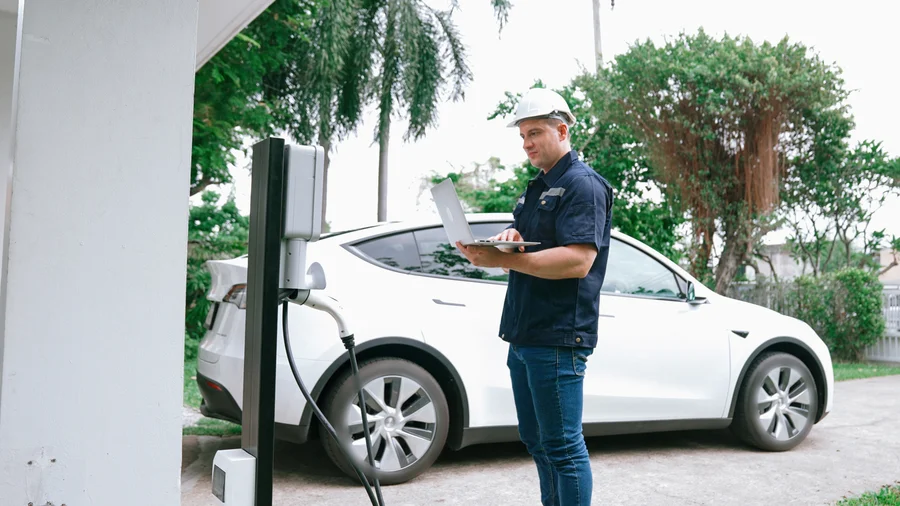
Before you begin any EV charger installation, gather the right information. You need to know your vehicle’s charging needs, your home’s electrical capacity, and where the charger will go.
Start by checking your electrical panel. Look at the main breaker size and open breaker slots. Many Level 2 chargers need a 240-volt circuit. If your panel is full or outdated, you may need an upgrade.
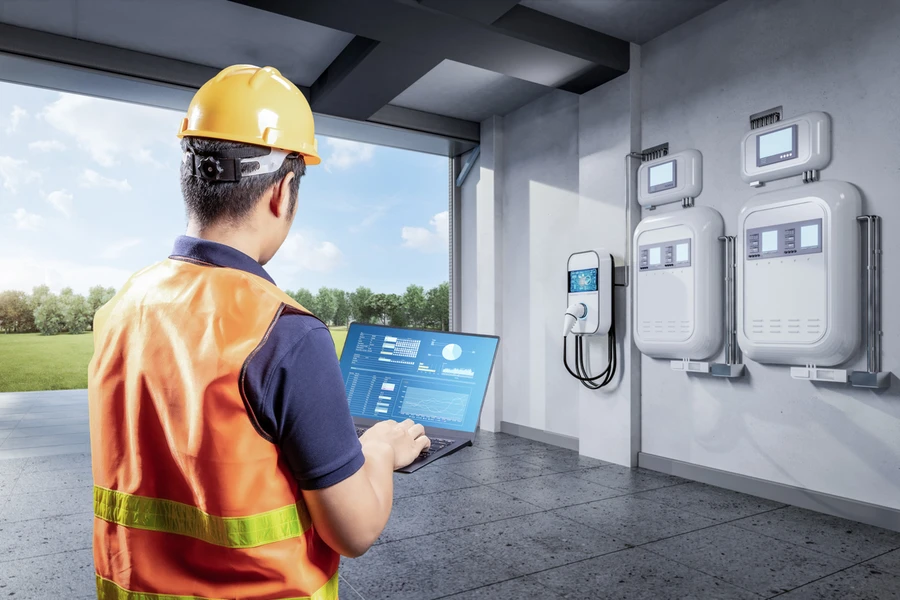
Next, decide on the charger type. Most homeowners choose a Level 2 unit for faster charging. It is much quicker than a standard wall outlet.
Also think about location. The charger should be close to where you park. The cable must reach your charge port without stretching.
Step-by-Step Process for a Smooth Installation
Following a clear process helps you avoid common mistakes. Here is a simple outline most pros follow:
- Check your panel capacity and available breakers.
- Choose the right charger for your vehicle and daily use.
- Select a safe and practical mounting spot.
- Apply for any required permits.
- Install a dedicated 240-volt circuit.
- Mount and hardwire or plug in the charger.
- Test the system for proper operation.
Skipping any of these steps can lead to delays or safety risks. For example, not pulling a permit may cause issues if you sell your home later.
Common Mistakes to Avoid
Many homeowners make the same errors during EV charger installation. Knowing these ahead of time helps you avoid them.
- Not checking panel load: Overloading your panel can trip breakers or cause damage.
- Using the wrong wire size: Undersized wiring can overheat and become a fire risk.
- Placing the charger too far away: Long cable runs increase cost and voltage drop.
- Skipping weather protection: Outdoor units must be rated for rain and sun.
- Trying DIY without experience: Electrical work can be dangerous if done wrong.
Another mistake is not thinking about future needs. If you plan to buy a second electric car, you may want a higher capacity charger now.
When to Call a Professional
Some homeowners are comfortable changing outlets or light fixtures. Installing a 240-volt circuit is a different task. It involves working inside your main electrical panel.
If your panel needs an upgrade, this is not a simple weekend project. The same goes for detached garages or long underground conduit runs.
A licensed electrician will check load calculations, grounding, and local code rules. This helps your EV charger installation pass inspection and work safely for years.
You should also call a pro if:
- Your breakers trip after installation.
- The charger shows error codes.
- You notice heat around the panel or outlet.
- You are unsure about permit requirements.
Paying for expert help upfront can prevent costly repairs later.
Final Recommendation and Next Steps
The best way to avoid common EV charger installation mistakes is to plan carefully and not rush. Take time to review your home’s electrical system. Choose the right charger for your driving habits. Follow local building rules. If anything feels unclear, get advice before moving forward. For homeowners in Chicago, IL, working with a qualified team can make the process much smoother and safer. Our electricians at Divine Electric Inc handle panel checks, permits, and full installations from start to finish. Call us at (872) 356-7710 to schedule an estimate or ask questions about your home setup. We are here to help you charge with confidence.